

Gambling is entertainment. That sounds simple, but it is worth repeating — because somewhere between the excitement of a big win and the frustration of a bad streak, that line can get blurry fast.
This page exists because we believe honesty matters more than optics. We recommend online casinos, including fast-payout crypto platforms. We do that openly. And precisely because we do, we feel a real obligation to talk straight about the risks involved and what responsible play actually looks like in practice.
It Starts With Knowing Why You’re Playing
Before you open an app or fund a wallet, ask yourself one honest question: why am I doing this?
If the answer is fun, curiosity, or the occasional thrill — that is a healthy place to start. But if you are playing to unwind from a stressful week, to make rent, to chase back money you already lost, or because you cannot think of anything else you want to do — those are warning signs worth taking seriously before you ever place a bet.
The three most common entry points into problem gambling are using it as emotional relief, chasing financial recovery, and habit-driven boredom. None of those motivations make gambling more enjoyable. They make it more dangerous.
What the Research Actually Says
This is not fear-mongering. The numbers are just worth knowing.
Roughly 2.5 million American adults are currently dealing with severe gambling problems. Online formats — especially casino and slot-style games — carry a higher rate of problem gambling than land-based play, largely because they are available 24 hours a day, require no travel, and are specifically designed to keep you engaged. Fast deposits, instant withdrawals, and seamless interfaces are features that make platforms convenient. They also make it easier to lose track of time and money.
Gambling disorder is classified in the same diagnostic category as alcohol and drug addiction. People who develop it are not weak or careless — they are often dealing with anxiety, depression, or other mental health challenges at the same time. In fact, the majority of people with a gambling problem also have at least one other diagnosed mental health condition. That does not mean everyone who gambles is at risk. But it does mean the stakes of ignoring the warning signs are real.
How to Stay in Control
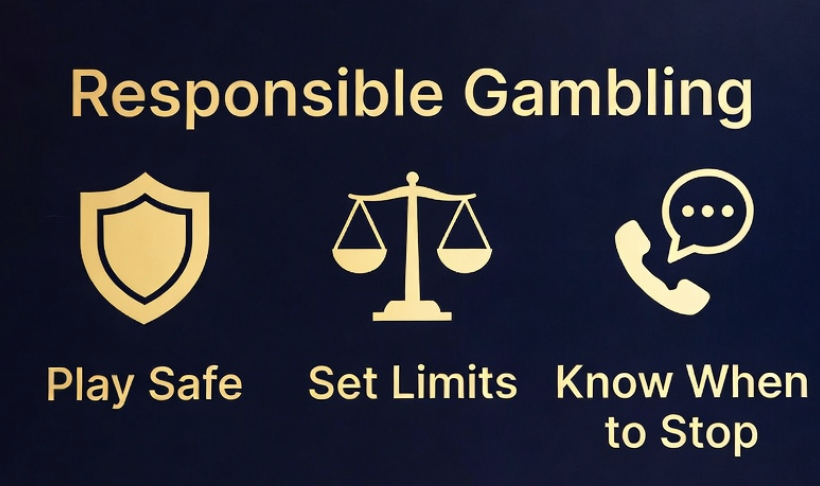
Responsible play begins before you ever place a bet. Viewing gambling as an entertainment expense—similar to a movie ticket or a dinner out—is the foundation of a healthy relationship with gaming. The habits that separate recreational gamblers from those who develop problems are not complicated. They just require consistency.
Set your limits before you start — not after.
Decide on a dollar amount you are genuinely comfortable losing, because losing is always a possibility. Do the same with time. Once either limit is hit, you stop. Not after one more round. You stop.
Most reputable operators provide built-in player protection tools. We strongly recommend utilizing these safeguards immediately upon registration:
-
Deposit Limits: Cap the amount you can fund over a daily, weekly, or monthly period.
-
Time Reminders (Reality Checks): Automated alerts that notify you how long you have been active.
-
Cooling-Off Periods: Temporary breaks (ranging from 24 hours to six weeks) where access to your account is restricted.
-
Never gamble with money that has a job to do: Rent, bills, groceries, savings — none of that belongs at a casino, online or otherwise. A good rule of thumb: if losing that money would actually hurt you, do not risk it.
Core Habits for Healthy Play
-
Budgeting: Set a strict session budget in advance and stick to it.
-
The “No-Chase” Rule: Accept losses as the cost of entertainment; never increase stakes to “win back” money.
-
Financial Separation: Never use funds intended for essentials (rent, bills, groceries) for gaming.
-
Scheduled Breaks: Step away after a win or a loss to maintain a clear perspective.
Identifying the Warning Signs
Problem gambling often develops gradually. Recognizing the early indicators is a sign of strength and proactive self-regulation, not a weakness.
Below is a comprehensive directory of national and specialized gambling addiction resources in the USA.
National Gambling Support Directory (USA)
| Organization | Service Type | Contact Method | Best For |
| NCPG (National Council) | 24/7 Crisis Helpline | Call/Text: 1-800-GAMBLER | Immediate crisis intervention and local referrals. |
| Gamblers Anonymous (GA) | Peer Support | Web: gamblersanonymous.org | Finding 12-step meetings (in-person or virtual). |
| 988 Lifeline | Emergency Crisis | Call/Text: 988 | Severe emotional distress or thoughts of self-harm. |
| Gam-Anon | Family Support | Web: gam-anon.org | Spouses, children, and friends of problem gamblers. |
| SAMHSA | Federal Treatment | Call: 1-800-662-HELP | Locating licensed mental health & addiction facilities. |
| GamTalk | Digital Community | Web: gamtalk.org | Anonymous chatrooms and community-led forums. |
| BetBlocker | Technical Tool | Web: betblocker.org | Free software to block 80,000+ gambling sites. |
| Algamus Recovery | Residential Care | Call: 1-866-GAMBLER | Intensive, inpatient clinical treatment programs. |
State-Specific Regulatory Support
If you are playing in a regulated US state, the following commissions offer Legal Self-Exclusion (a legally binding ban across all licensed operators in that state):
| State | Regulatory Authority | Self-Exclusion Link |
| New Jersey | Division of Gaming Enforcement | NJ Self-Exclusion |
| Pennsylvania | Gaming Control Board | PA Self-Exclusion |
| Michigan | Gaming Control Board | MI Responsible Gaming |
| West Virginia | WV Lottery Commission | WV Self-Exclusion |
| Connecticut | Dept. of Consumer Protection | CT Gaming Support |
Integrity in Play
At the heart of every strategy, review, and recommendation we provide is a commitment to the long-term well-being of our community. Online gaming is a test of probability and entertainment—it should never be a test of your financial or emotional resilience. Choosing to play responsibly is not a restriction; it is the most vital strategy a player can master. By setting boundaries, utilizing the tools available, and maintaining an honest dialogue with yourself about your habits, you ensure that the game remains exactly what it was meant to be: a choice, not a compulsion. Remember, the most important win in any session is walking away with your peace of mind intact.
Gaming is a marathon of discipline, not a sprint for profit. When the fun stops, stop.